
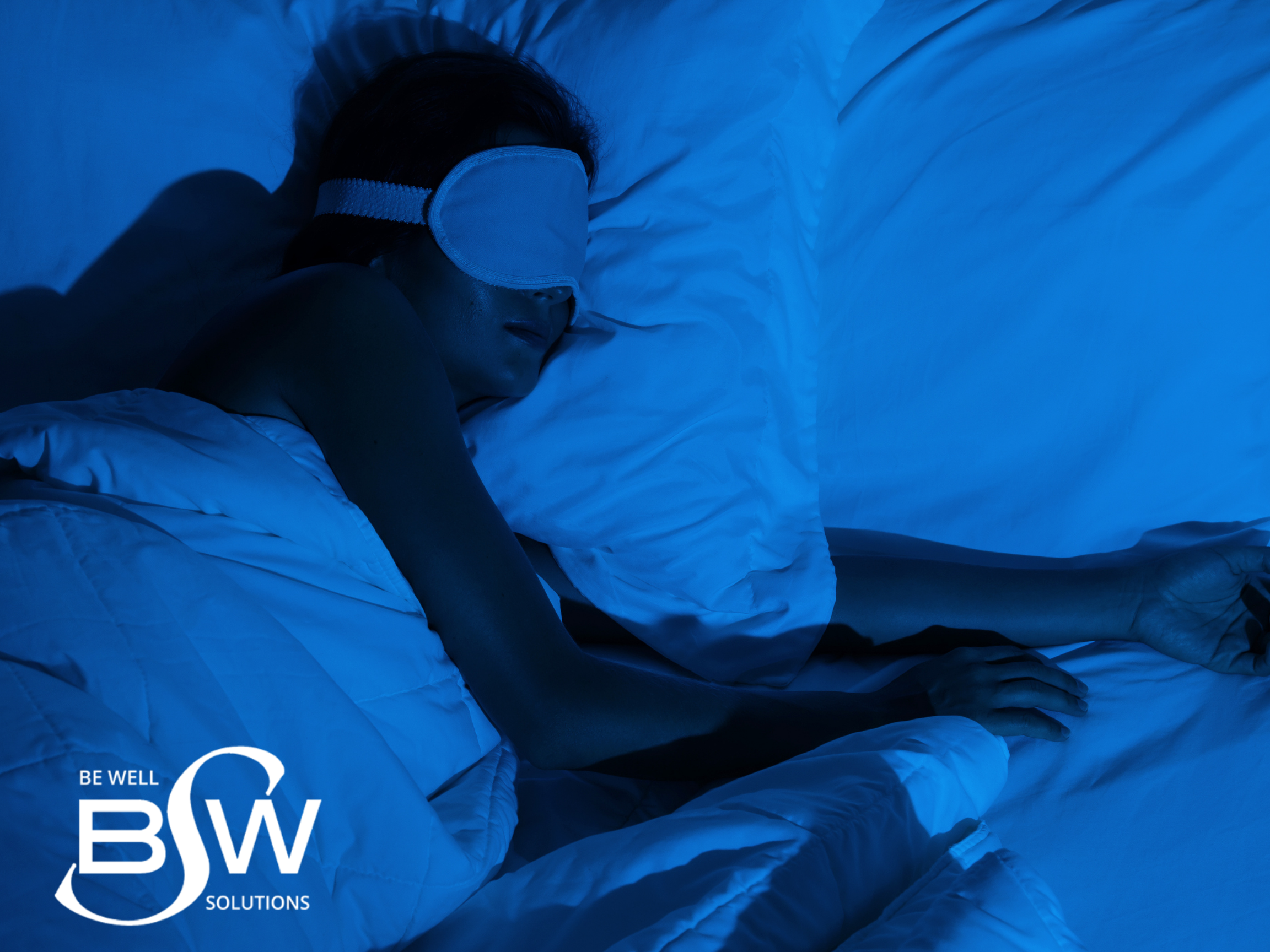
A viral trend called Sleepmaxxing is sweeping its way through social media. It combines various strategies and practices to optimize nightly sleep. While prioritizing sleep is a necessary component of health, is the approach of sleepmaxxing safe and effective? As with many things on the internet, trends can become popular before adequate research has been completed. Not every trend is beneficial, and certainly not one size fits all. Let’s explore the pros, cons, and overall bottom line to see if sleepmaxxing should be part of your nightly bedtime routine.
The Pros
Bringing attention to the importance of quality sleep is a strong win in the wellness world. We know sleep can affect nearly every system of the body. Even small efforts to improve sleep can greatly influence our overall health and well-being. Sleepmaxxing includes establishing a consistent bedtime routine to allow your mind and body to prepare for sleep around the same time each evening. It encourages limiting screentime, caffeine, or excessive amounts of liquid before bed. It also involves preparing your environment for restful sleep. Creating a dark, quiet, and comfortably cool sleep environment can help you fall asleep and stay asleep. Many of the above strategies have been proven to positively impact sleep efforts.
The Cons
Sleepmaxxing does come with some concerns. It often encourages the use of various supplements as well as practices such as mouth taping and nostril expanders. Before adding supplements, consult your doctor to determine if they’re needed, the correct dosage, and any potential risks. Unusual practices like mouth taping and nostril expanders do not have adequate research to back their claims and can ignore underlying health issues like sleep apnea that require medical attention. Finally, the trend promotes sleep tracking for data and monitoring. While this can clarify your personal sleep schedule, it can also lead to obsessive tracking or the pursuit of perfect sleep.
The Bottom Line
Sleepmaxxing is not inherently negative and does include several beneficial strategies. However, some components should come with caution. Adequate and restful sleep does not always require purchasing specific products or supplements. Discuss these items with your doctor to determine if they are right for you. Stick to research-based strategies that involve basic sleep hygiene and a consistent bedtime routine. Question practices that sound too good to be true or don’t have scientifically supported results. Follow up with your doctor if problems falling asleep or staying asleep continue or worsen.
Continue Reading May 2026 Newsletter: Fuel Your Summer Workout