
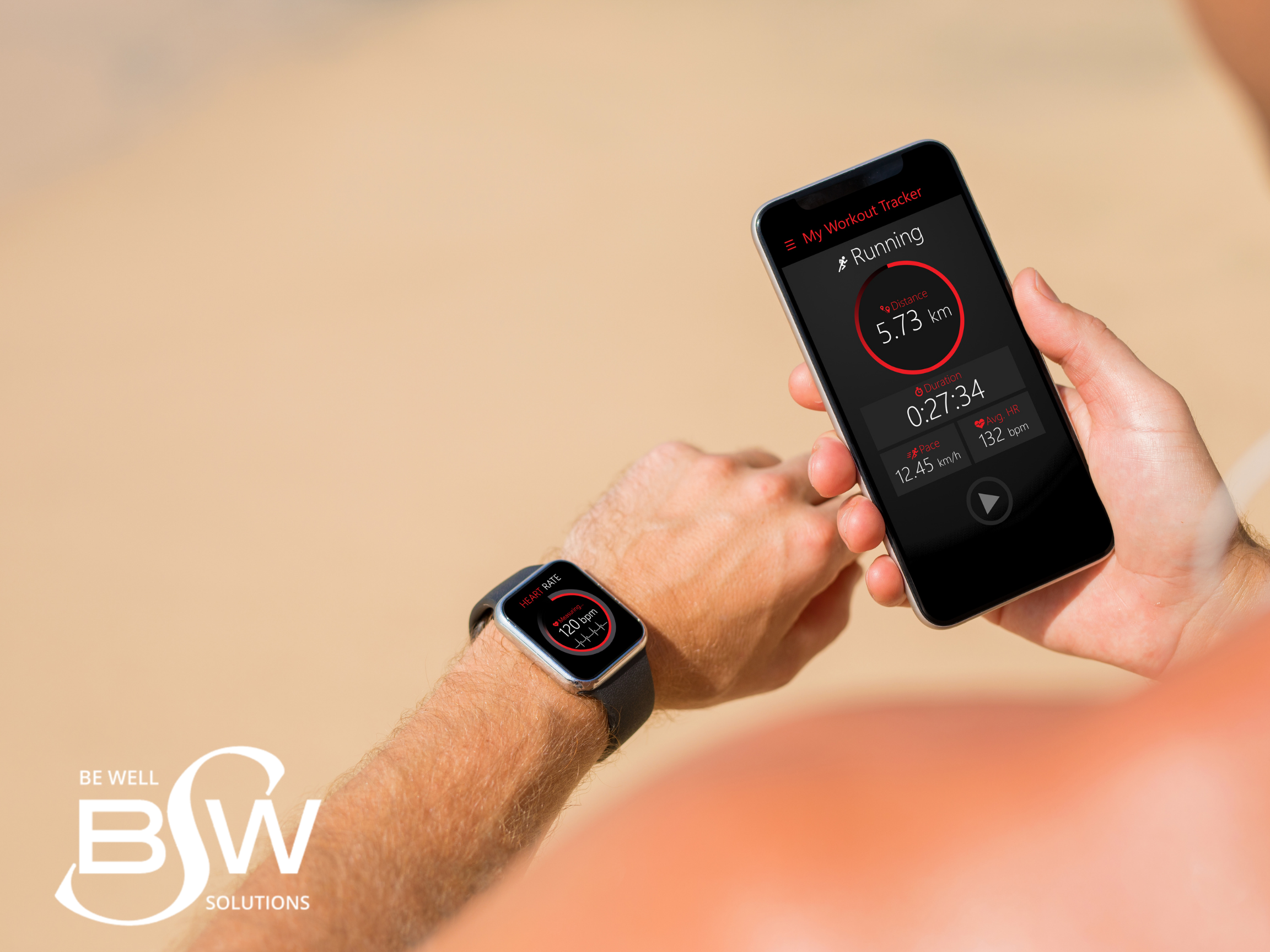
The tech and fitness industries are continuously growing and evolving. As they come together, we see new trends constantly emerging. Let’s break down the current trends and explore the benefits they can bring to your current fitness routine.
Wearable Tech
From watches and rings to bands and smart clothing, wearable fitness tech is gaining popularity and continues to expand and improve. Watches and wristbands remain the most common form, providing numerous metrics with quick and easy access and syncing. Many are used for monitoring steps, pace, intensity, and heart rate. Ring trackers offer more generalized health and sleep tracking, which may be preferred by those who dislike wrist trackers or prefer a minimalist design for sleeping and daily activities. Arm bands and chest straps typically provide the most accurate heart rate metrics and are often preferred by athletes. Finally, the wearable industry has been spreading into fitness clothing. Tracking tech has been incorporated into clothing such as leggings, shirts, sports bras, socks, and gym shoes. Smart clothing aims to provide more personalized metrics on movement, posture, and form. Choosing the right wearable tech will vary based on your personal preferences and goals. Consider the metrics you are focusing on tracking, as well as your preferred method or platform for tracking them.
Recovery Tools
Proper recovery is necessary for a sustainable and balanced fitness routine. In recent years, technology has been combining with recovery strategies to create tools that will aid in restoration and renewal. Massage guns ease sore muscles with self-guided deep tissue massage. Some smaller versions of massage guns are ideal for storing in your gym bag or traveling. Automatic compression boots and sleeves have been shown to improve circulation while lowering inflammation and muscle soreness after extensive exercise. A technology uses red light therapy to assist with muscle recovery and pain management. Further research on this method would be beneficial since current studies are relatively recent and small-scale.
Home Workout Systems
Home workout systems make home exercise possible without extensive space or large quantities of equipment. Certain cardio systems, including stationary bikes and treadmills, now offer platforms with structured programs and virtual instruction. Other systems specialize in strength and resistance training using cables or smaller weight towers. Many of these systems incorporate AI and modern technology to personalize workouts, provide variety, and deliver an engaging at-home fitness experience.
Fitness Apps
Fitness apps have been around for several years now. However, they have recently been improving in capabilities and popularity. From yoga to bootcamp and everything in between, mobile fitness apps bring workouts right to your fingertips. Many of these apps feature pre-recorded workouts, live sessions, virtual or live trainers, and many customizable settings. With numerous options and more compatibility, mobile apps make home workouts an easy and accessible option.
Always consult with your physician before starting a new exercise program.
Continue Reading May 2026 Newsletter: What is Sleepmaxxing?