
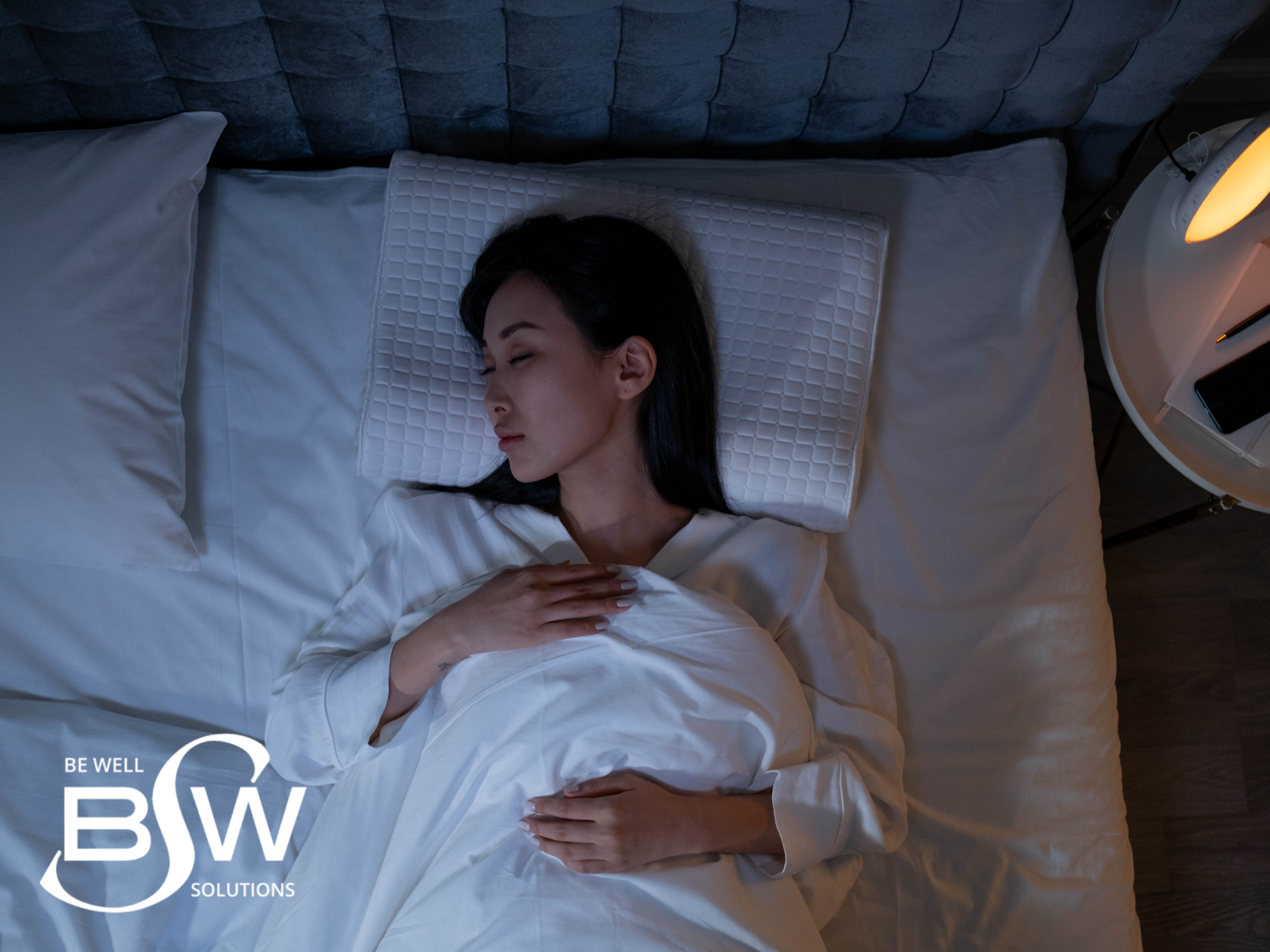
Shorter daylight hours, cooler temperatures, and busy holiday schedules disrupt our sleep schedules. Changes in healthy habits, such as eating a nutritious diet, exercising regularly, and managing stress, also impact our sleep. Although we may feel sleepier during this time of year, we often struggle to achieve adequate, restful sleep. Let’s review five tips to help us sleep well this winter.
Get Natural Light
Seeing natural light can be challenging to come by during the winter; however, it helps keep your circadian rhythm, or sleep-wake cycle, on schedule. Sunlight, especially in the morning hours, has been found to lower natural melatonin production (Texas ENT Specialists1). Melatonin is a hormone that signals the body to get ready for sleep. Prioritize morning sunlight by spending a few moments outdoors or opening the curtains to let the light in. Limit brighter lights in the evening to allow your body to prepare for sleep more naturally.
Limit Naps and Sleeping In
Darker, colder days can increase your urge to sleep in or take a nap this winter season. However, this habit can interfere with your ability to fall asleep at night or keep a regular sleep routine. Occasionally, a short nap or extra sleep is warranted when busy holiday schedules take over. Keep these instances to a minimum for more consistent rest.
Adjust Air Temperature and Humidity
A change in season means a change in temperature and humidity, even inside your house. Ensure a comfortable sleeping environment by adjusting these to your preference in the evenings. Overhead fans can be adjusted to a clockwise or winter setting, which will circulate air without creating a strong draft. Winter air tends to be drier and can impact breathing. Consider a bedside humidifier to keep your room comfortable, but remember to clean it regularly.
Exercise Regularly
Motivation to exercise regularly this time of year can plummet. Colder weather and limited daylight often interrupt our usual outdoor activities. Don’t let this keep you from exercising. It is a prime time to rethink your physical activity routine. Try something new, bundle up for outdoor exercise, or choose an indoor class. Staying active all season will help your body sleep better and more soundly at night.
Manage Late Night Eating
Wintertime is full of indulgent meals and comfort food cravings that can hijack our healthy habits, including adequate sleep. Eating large, spicy, or extra-sweet meals before bed can interfere with proper digestion. It can also cause gastrointestinal discomfort and heartburn while trying to sleep. Plan your meals and snacks to allow more time for digestion before sleep and incorporate nutrient-dense foods to keep your immune system strong all season.
Continue Reading December 2025 Newsletter: Our Top Nutrition Gifts for 2025