
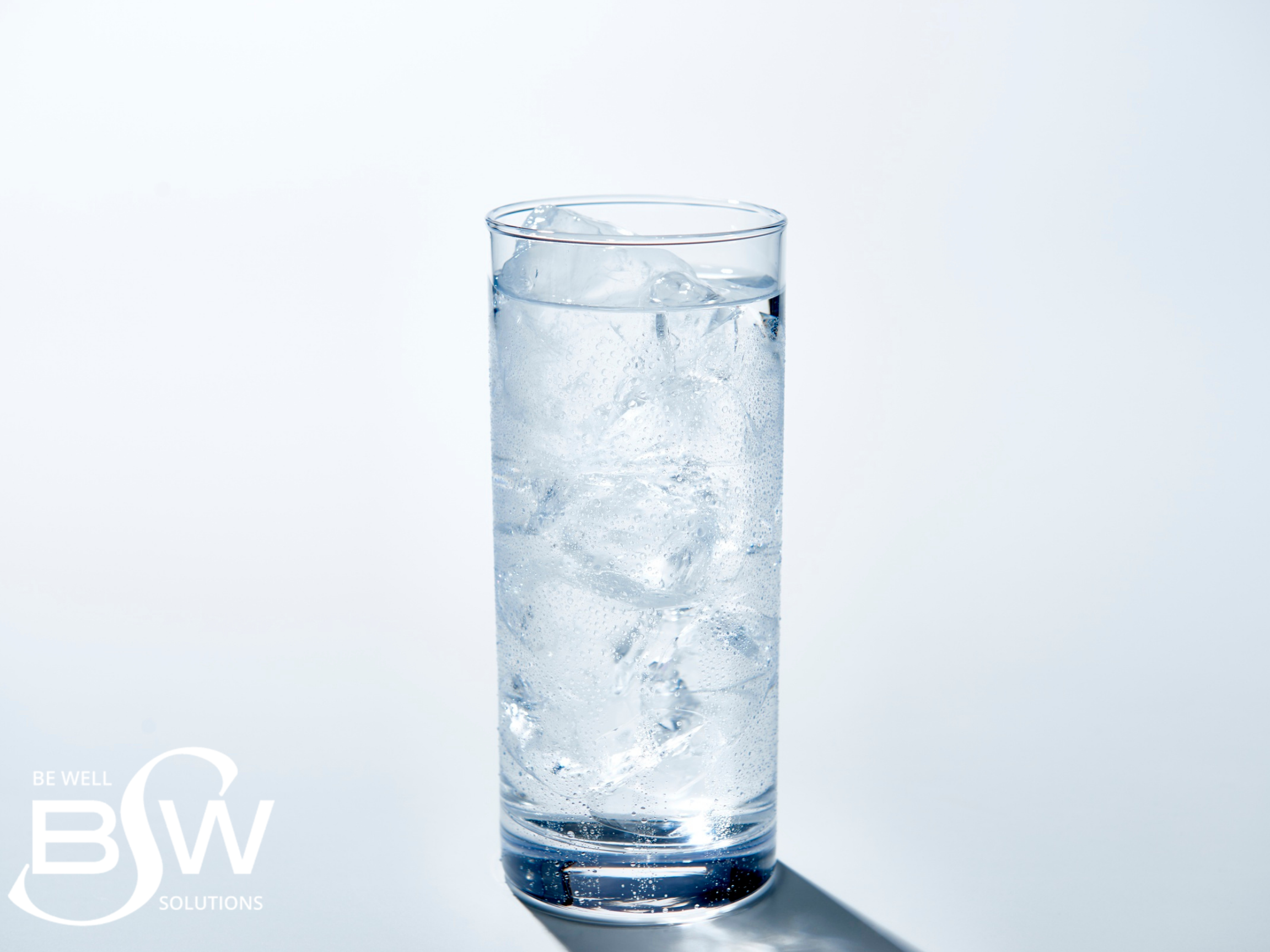
Many people think dehydration only happens in the summer when it’s hot outside, but winter can be just as dehydrating, sometimes even more! Cold weather can alter how our bodies function, causing us to forget to drink enough water. Staying hydrated throughout the year is essential for your health, energy, and overall well-being.
Why Winter Dehydration Happens
- Cold weather reduces your thirst. Many people don’t drink enough water daily, and the problem gets worse in cold weather. When you’re cold, your body sends less blood to your extremities, which decreases your thirst signal. You may feel fine, but your body still needs to stay hydrated.
- You lose water through breathing. If you’ve ever seen your breath on a frosty morning, that “steam” is actually water vapor. Cold, dry winter air pulls moisture from your lungs each time you exhale. Staying hydrated helps keep your respiratory system working properly, something especially important during cold and flu season.
- Indoor heating dries you out. Heated indoor spaces may be warm and cozy, but they’re also very dry. This can lead to dry skin, dry mouth, and dehydration. The Academy of Nutrition and Dietetics[1] explains that low humidity combined with reduced thirst is one of the main reasons people drink too little water in winter.
- You sweat under layers. Even if you don’t notice it, heavy coats and scarves trap heat and cause your body to sweat. You may lose fluids without realizing it, especially if you’re exercising, spending time outdoors, or doing active chores like shoveling snow.
Benefits of Staying Hydrated in Winter
Keeping up with your fluid intake helps:
- Maintain energy levels
- Improve focus and brain function
- Regulate body temperature
- Prevent dry skin and lips
- Support your immune system
- Reduce headaches
Hydration is a simple habit that helps you feel your best, even on cold days, helping your heart and muscles work more efficiently.
How Much Water Should You Drink?
A common guideline is to aim for about 8 cups (64 ounces) of water per day, but needs vary by person. You may need more if you:
- Exercise
- Drink caffeine or alcohol
- Spend time in heated environments
- Notice dry skin or darker urine
Health experts at the Mayo Clinic[1] recommend sipping water throughout the day rather than drinking large amounts all at once.
Winter-Friendly Ways to Stay Hydrated
- Choose warm drinks. Herbal tea, warm lemon water, or low-sugar hot drinks make hydrating feel more comforting on chilly days.
- Carry a water bottle. Keeping water within reach serves as a constant reminder to take small sips.
- Eat hydrating foods. The Academy of Nutrition and Dietetics1 recommends getting water from food, as well as beverages. Winter-friendly, water-rich foods include oranges and clementines, apples, broth-based soups, cucumbers, spinach, oatmeal and yogurt.
- Track your intake. Hydration apps like WaterMinder[2], MyFitnessPal[3], or built-in tools like Apple Health[4] or Fibit[5] can help you stay on track, especially if you struggle to remember to drink.
- Drink before and after exercise. Even cold-weather workouts cause fluid loss. Staying hydrated supports your muscles, joints, and recovery.
Even though you may not feel as thirsty in the winter, your body still needs plenty of water to perform at its best. Simple habits like sipping warm drinks, eating water-rich foods, and tracking your intake can make a big difference in how you feel. Staying hydrated is one of the easiest ways to boost energy, support your immune system, and stay healthy during the cold months.
Continue Reading December 2025 Newsletter: Top Fitness Gifts for Every Exerciser – 2025 Edition