
Most of us would like to live a longer, healthier life. While no single food or diet can guarantee longevity, researchers have spent decades studying regions of the world where people routinely live to age 100 and beyond. These areas, known as the Blue Zones, include communities in Okinawa (Japan), Sardinia (Italy), Nicoya (Costa Rica), Ikaria (Greece), and Loma Linda (California).
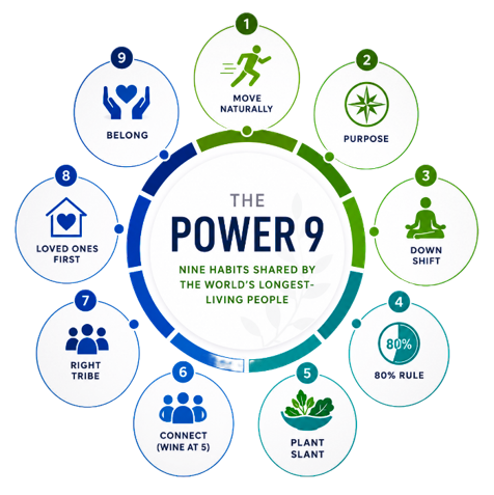
Although these cultures differ in many ways, they share several common lifestyle habits that are associated with better health, lower rates of chronic disease, and exceptional longevity. These habits, known as the “Power 9” include daily movement, a sense of purpose, stress management, strong social connections, and certain eating behaviors.
Let’s take a moment to focus on the two nutrition-related Power 9 principles that nearly everyone can begin practicing today – the Plant Slant and the 80% Rule, or ”Hara Hachi Bu.”
Power 9: Plant Slant
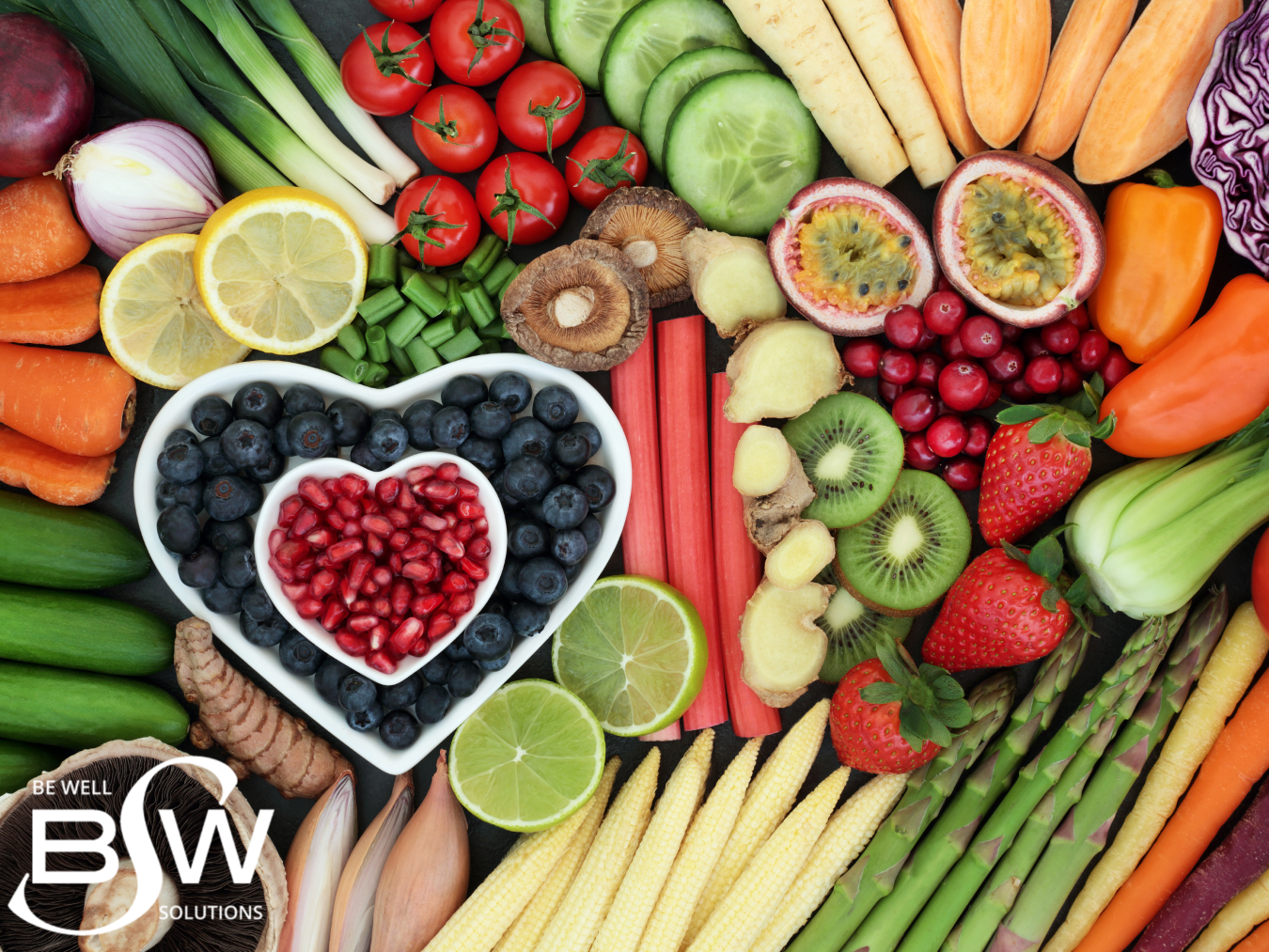
One of the most striking similarities among Blue Zone populations is that much of their diet comes from plants. Rather than centering meals around meat, they build meals around vegetables, beans, whole grains, fruits, nuts, and legumes. Meat is typically eaten in small portions and less frequently than in the typical American diet.
This “plant slant” doesn’t require becoming vegetarian. Instead, it encourages making plant foods the centerpiece of the plate rather than a complement.
Plant-based foods provide fiber, vitamins, minerals, antioxidants, and thousands of beneficial nutrients that help support heart health, blood sugar control, digestive health, and healthy aging.
Power 9: 80% Rule (Hara Hachi Bu)
Another consistent and useful habit comes from Okinawa, where people often say, “Hara Hachi Bu,” a phrase reminding them to stop eating when they are about 80% full.
This isn’t meant to be about restriction or deprivation. It’s about recognizing the difference between being comfortably satisfied and completely stuffed. This is an important part of mindful eating, reminding us that the brain needs time to recognize fullness – it doesn’t happen immediately. Slowing down and stopping before being completely full gives your body’s natural appetite signals time to work.
Over weeks, months, and years, this simple habit may help reduce excess calorie intake and allow meals to remain enjoyable and satisfying.
4 Steps to Stay in the Zone
Small, consistent changes often produce greater long-term benefits than dramatic diets.
- Let Plants Cover Your Plate: Aim for vegetables, fruits, beans, or whole grains to make up about three-fourths of your meal whenever possible. Remember, both the American Heart Association and the American Institute for Cancer Research encourage at least 5 servings of fruits and vegetables per day.
- Eat Beans Often: Beans, lentils, chickpeas, and peas are among the healthiest foods consumed across all Blue Zones. They’re inexpensive, versatile, and packed with fiber and plant protein.
- Replace Refined Grains with Whole Grains: Choose oatmeal instead of sugary cereals, brown rice instead of white rice, or whole-grain bread instead of white bread whenever practical. Look for “whole” as the first word in the ingredient list or find the whole grain stamp on the package.
- Slow Down & Stop Before You’re Stuffed: Put your fork down between bites, chew thoroughly, and eliminate distractions like television or scrolling on your phone. Eating more slowly makes the 80% rule much easier to recognize. Remember, feeling comfortably satisfied is the goal—not cleaning your plate.
Your August Challenge
This week, try practicing both nutrition Power 9 principles at just one meal each day. That means eating a primarily plant-based meal slowly and stopping when you’re satisfied but before feeling completely full. These habits may seem small, but they reflect a pattern of eating that has helped some of the world’s longest-living populations remain healthy and active well into their 90s—and beyond.
Although this month’s focus has been on nutrition, it’s worth remembering that food isn’t the entire story.
The people living in Blue Zones also move naturally throughout the day, nurture close family and friendships, manage stress, maintain a sense of purpose, and remain engaged with their communities.
Healthy eating works best when it becomes part of an overall healthy lifestyle.
Continue Reading August 2026 Newsletter: Shared Care: Building Wellness Through Connection