
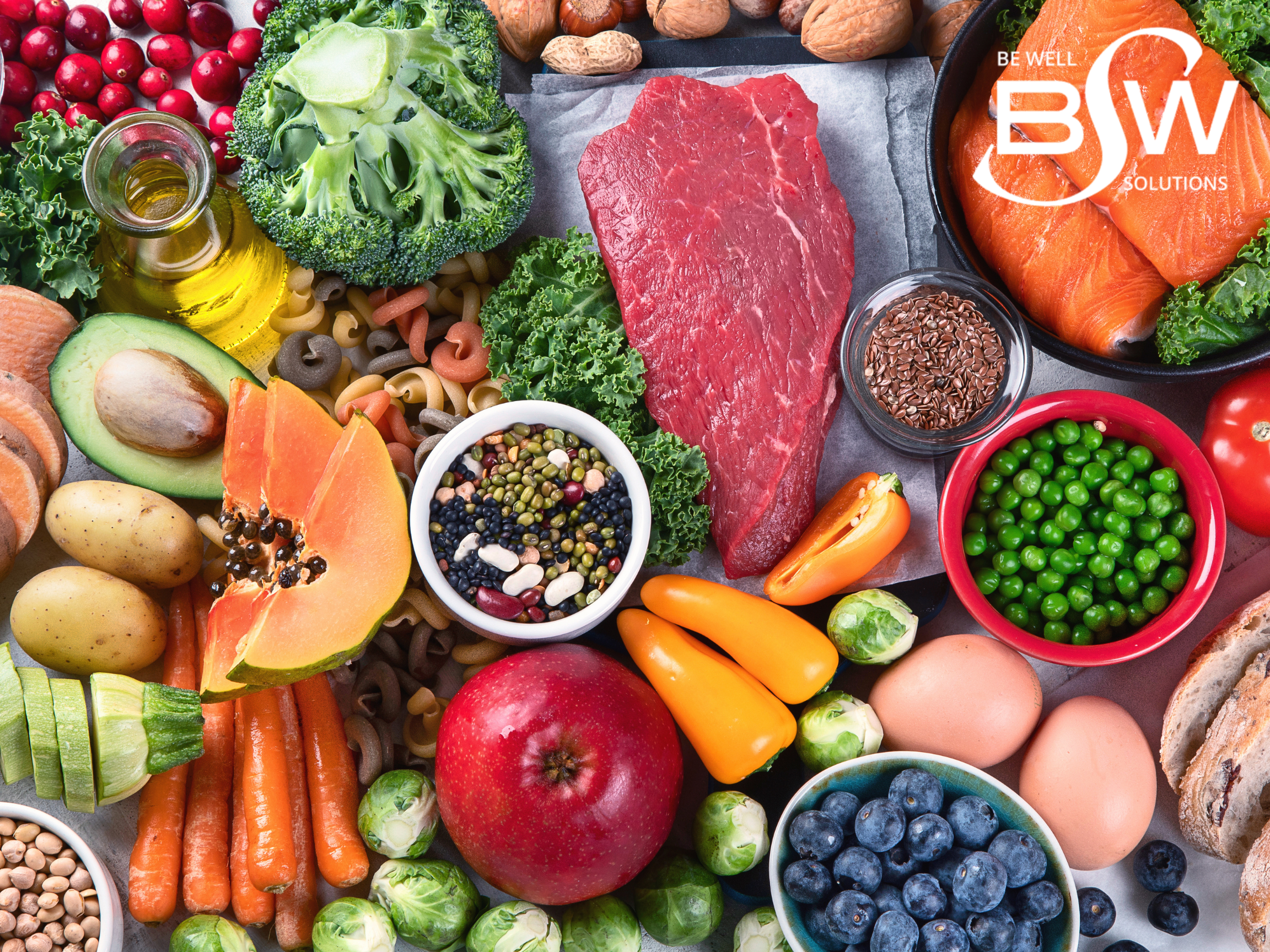
Have you ever noticed that certain foods make you feel good or bad soon after you eat them? What we eat doesn’t just affect our bodies; it also influences how we feel every day. Researchers at Mass General Brigham have found clear connections between food and mood.
Your Food Affects Your Mood Through Your Gut and Brain
Your gut and brain are connected. They communicate with each other constantly. This is sometimes called the gut-brain connection. The food you eat affects the bacteria and chemicals in your gut, and these in turn send signals to your brain about how you’re feeling (UCLA Health).
In fact, many important mood-related chemicals, like serotonin, are made in your gut. When your diet supports healthy gut bacteria, more of these chemicals can help your brain work well (Harvard Health).
Foods That Help Your Mood
Some foods can help you feel better because they give your brain the nutrients it needs:
- Fruits and vegetables: These provide vitamins and fiber that help your brain and digestion stay healthy.
- Whole grains: Foods like oats and brown rice release energy slowly, which helps keep your mood steady.
- Protein-rich foods: Chicken, eggs, beans, fish, and nuts help your brain make chemicals that support good feelings.
- Healthy fats: Omega-3 fats in fish and seeds help keep your brain healthy and may reduce sadness and anxious feelings.
Eating these foods most of the time gives your body and brain steady fuel, which can make you feel more focused and energetic (Aetna).
Why Sugar and Processed Foods Can Make You Feel Worse
Foods that are high in sugar or heavily processed (like candy bars, soda, and fast food) may give you a quick energy boost at first. But then your blood sugar crashes, and you may feel tired, irritable, or “crashy” (Integris Health).
Researchers at Harvard Health3 also warn that eating a lot of processed foods over time may contribute to feelings of sadness and anxiety. These foods are usually low in the nutrients your brain needs to work well.
Eating Well Supports Long-Term Feelings of Well-Being
Balanced meals don’t just help you physically, they support your emotions too. Foods full of nutrients help your brain cells communicate, keep inflammation low, and help keep your blood sugar stable all day long.
Even small changes like swapping sugary snacks for fruit or adding vegetables to your plate can make a difference in how you feel.
Food is more than fuel; it’s a powerful part of how your body and mind stay healthy. Choosing nutrient-rich foods most of the time can help your mood, energy, and overall well-being. Try to eat balanced meals and notice how your feelings change over time.
Your mood won’t change overnight, but building healthy habits today can help you feel better tomorrow!
Continue Reading February 2026 Newsletter: 6 Everyday Habits that Support a Strong Heart