
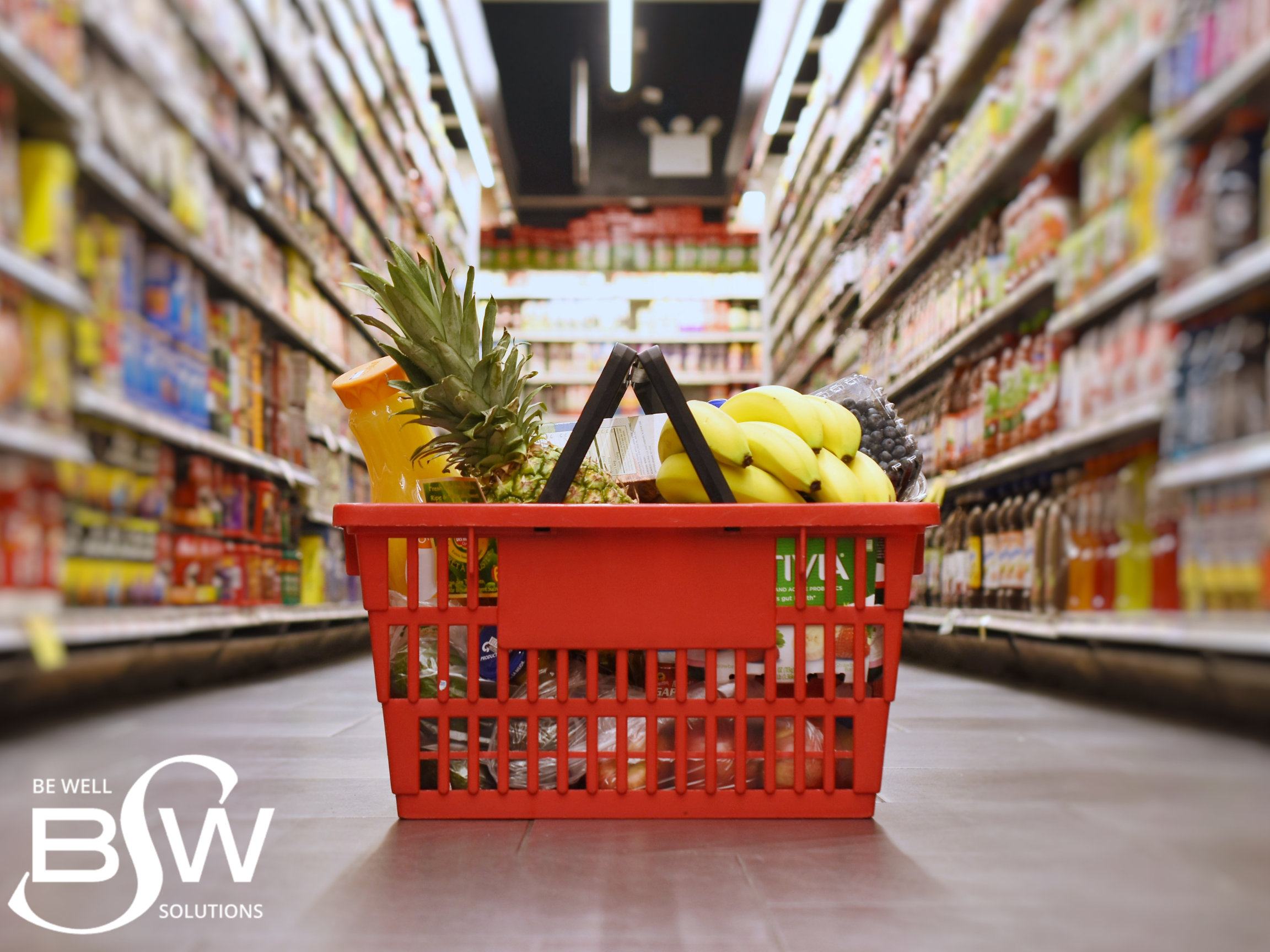
Eating healthy does not have to be expensive. Many people believe that nutritious foods cost more, but with smart planning and simple choices, it is possible to eat well while staying within a budget. In fact, some of the healthiest foods, like beans, oats, frozen vegetables, and eggs, are also some of the most affordable. Learning how to shop, plan meals, and reduce food waste can help you get the most nutrition for your money.
Why Healthy Eating on a Budget Matters
Good nutrition supports energy levels, focus, immune health, and long-term disease prevention. According to the U.S. Department of Agriculture (USDA), healthy eating patterns can be achieved at any income level with planning and smart food choices. When people rely heavily on highly processed or convenience foods, they often spend more over time and get less nutritional value per dollar.
Affordable Nutrient-Dense Foods
Some of the most affordable foods are also the most nutritious. These foods provide vitamins, minerals, fiber, and protein without a high cost.
Budget-friendly staples include:
- Beans and lentils
- Brown rice and oats
- Eggs
- Frozen fruits and vegetables
- Canned tuna or salmon
- Potatoes and sweet potatoes
- Peanut butter
Research from the Harvard T.H. Chan School of Public Health shows that plant-based proteins like beans and whole grains can provide high nutrition at a lower cost than many animal-based proteins.
Smart Shopping Strategies
How you shop can make a big difference in your grocery bill. Small changes can add up to big savings over time.
Helpful strategies include:
- Make a shopping list and stick to it
- Buy store brands instead of name brands
- Compare unit prices (price per ounce or pound)
- Buy in bulk when possible
- Choose frozen or canned produce when fresh is expensive
The Academy of Nutrition and Dietetics recommends planning meals ahead of time to reduce impulse buying and food waste.
Meal Planning Saves Money
Meal planning is one of the most effective ways to eat well on a budget. When you plan meals in advance, you can use ingredients across multiple meals, which reduces waste and saves money.
For example:
- Roast chicken can be used for dinner, then salads or sandwiches
- Rice can be used in stir-fries, bowls, or soups
- Vegetables can be used in multiple meals throughout the week
Reducing Food Waste = Saving Money
A large amount of money is lost when food is thrown away. In the United States, nearly 30–40% of the food supply is wasted each year.
Simple ways to reduce waste include:
- Storing food properly to make it last longer
- Eating leftovers within a few days
- Freezing extra portions
- Using older produce in soups, smoothies, or stir-fries
The Environmental Protection Agency (EPA) explains that reducing food waste saves money and helps the environment at the same time.
Simple Tips for Eating Healthy on a Budget
Here are a few easy ways to make healthy eating more affordable:
- Cook at home more often
- Choose water instead of sugary drinks
- Buy seasonal fruits and vegetables
- Use leftovers creatively
- Focus on simple, whole ingredients
Eating well does not require a large budget. With planning, smart shopping, and simple cooking habits, you can build healthy meals that are both affordable and nutritious. Small changes over time can make a big difference for your health and your wallet.
Continue Reading July 2026 Newsletter: Summer Self-Care: Simple Ways to Stay Well During the Hottest Months