
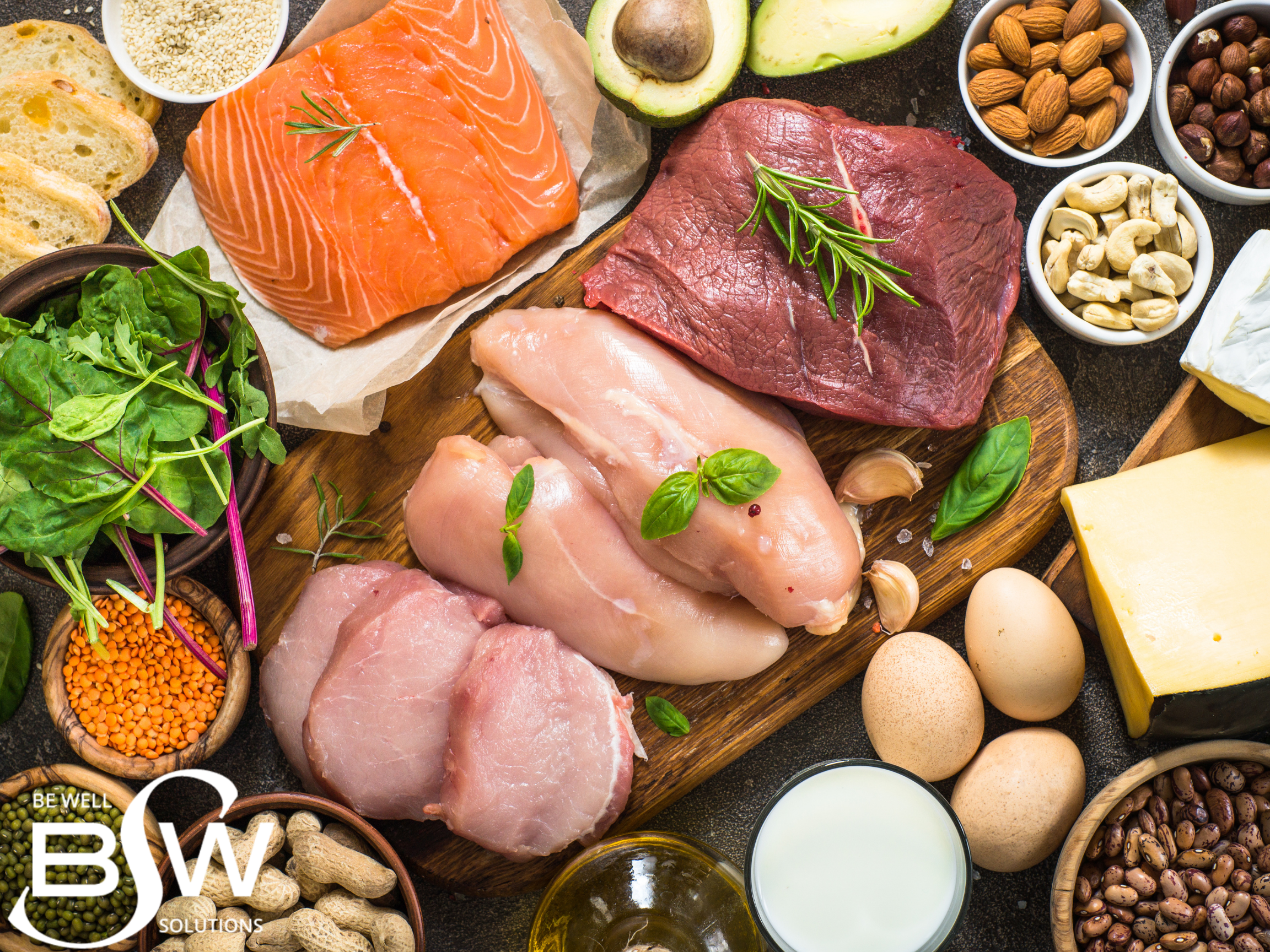
If you have been grocery shopping, scrolling social media, or looking for a quick snack lately, you have probably noticed two words showing up everywhere: protein and fiber. From protein-packed yogurt and bars to high-fiber cereals and breads, food companies are putting these nutrients front and center. But do you really need more protein? What about fiber? And what does “high-protein” or “high-fiber” actually mean for your health? The good news is that you don’t need to jump on the latest diet trend. Protein and fiber have earned their attention because they play important roles in a healthy diet.
Protein: More Than Just a Fitness Trend
Protein is essential for building and maintaining muscle, repairing tissues, and supporting many important functions throughout the body. It can also help you feel satisfied after eating.
Research shows that protein can support muscle growth and strength, particularly when combined with resistance exercise. However, more isn’t necessarily better. A large review published in the British Journal of Sports Medicine found that protein supplementation combined with resistance training can improve muscle size and strength, but the benefits tend to level off at higher protein intakes. Instead of chasing the highest-protein product on the shelf, focus on getting a good source of protein throughout your day.
Easy protein wins:
- Add eggs to breakfast
- Choose Greek yogurt or cottage cheese for a snack
- Add chicken, turkey, or fish to lunch or dinner
- Try beans or lentils in soups, salads or bowls
- Pair fruit with nuts or nut butter
- Include tofu or edamame in meatless meals
You don’t have to rely on protein powders, shakes, or bars to meet your needs.
Fiber: The Trend that Deserves More Attention
Protein may be having its moment, but fiber deserves a spot in the spotlight, too. Fiber helps support digestive health and is associated with important health benefits, including better heart health and a lower risk of several chronic diseases. The American Journal of Clinical Nutrition found that higher fiber intake was associated with lower risk of cardiovascular disease and other health conditions.
Where does fiber come from?
Think plants!
- Fruits and berries
- Vegetables
- Beans and lentils
- Oatmeal and whole grains
- Potatoes with the skin
- Nuts and seeds
One of the easiest ways to increase fiber is to add more plants to the foods you already enjoy. Try berries in your morning oatmeal, vegetables in your sandwich, bans in your taco bowl or an apple with peanut butter for an afternoon snack.
The Power Pair: Protein + Fiber
Here’s where these two trends come together. Rather than thinking about protein and fiber separately, try making them partners at meals and snacks.
Try these simple combinations:
- Breakfast: Greek yogurt + berries + chia seeds
- Lunch: Grilled chicken + vegetables + whole-grain wrap
- Afternoon snack: Apple + peanut butter
- Dinner: Salmon + roasted vegetables + quinoa
- Meatless meal: Black beans + brown rice + vegetables + avocado
These combinations can provide protein and fiber while also adding vitamins, minerals and other important nutrients.
Don’t Be Fooled by the Front of the Package
Seeing “HIGH PROTEIN” or “GOOD SOURCE OF FIBER” on a package can make a food sound like the healthiest choice. But don’t stop at the front of the package. Some highly processed foods can be high in protein or fiber while also containing large amounts of added sugar, sodium or saturated fat. Instead, flip the package over.
Take a quick look at the Nutrition Facts label and ingredient list. Ask yourself:
- What nutrients does this food provide?
- Is it giving me protein or fiber from a nutritious source?
- How does it fit into the rest of my meal?
A protein bar or shake can be a convenient option when you’re short on time. A high-fiber cereal can make breakfast easier. These foods can have a place in a healthy eating pattern, but they don’t have to replace whole foods.
Your Wellness Challenge
Don’t worry about completely changing your diet this week. Instead, try this simple protein and fiber challenge for one week by adding ONE protein source and ONE fiber-rich food to each meal.
- Example:
- Breakfast: Eggs + berries
- Lunch: Chicken + vegetables
- Dinner: Beans + brown rice
- Snack: Greek yogurt + fruit
Small changes add up. You don’t need a perfect diet; you need habits you can realistically maintain.
Protein and fiber aren’t just passing nutrition trends. They’re important nutrients that can be part of a balanced, healthy eating pattern. Focus less on finding the food with the biggest “HIGH PROTEIN” or “HIGH FIBER” label and more on building meals with a variety of nutritious foods. Remember that healthy eating doesn’t have to be complicated. Think protein. Think plants. Think balance!
Continue Reading October 2026 Newsletter: Building a Culture of Wellness